
Repair TipsLocal Guides
Why does my toilet keep running after flushing
A running toilet wastes water and money. Learn why it happens, how to fix it, and when to call a plumber in Spring, TX.
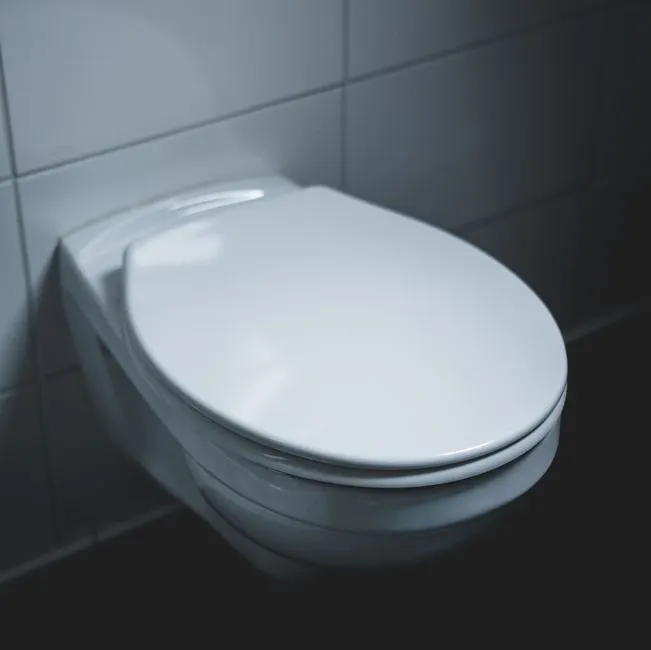
A toilet that keeps running after flushing is almost always caused by a faulty flapper, a misadjusted fill valve, or a stuck float. These parts wear out, and when they do, water continuously leaks from the tank into the bowl, wasting hundreds of gallons a day. In Spring, TX, where our water is moderately hard, mineral buildup speeds up that wear. Below, we explain each cause, show you how to fix the simple ones yourself, and tell you when it's time to call a plumber.
We're Plumbers Spring TX, and we've fixed thousands of running toilets across Spring and the surrounding neighborhoods. If you're dealing with a toilet that won't stop running, you're in the right place.
Why does my toilet keep running after flushing in Spring TX?
In Spring TX, a toilet keeps running after flushing because the flapper doesn't seal properly, the fill valve fails to shut off, or the float is set too high. Hard water leaves mineral deposits on these components, causing them to stick or degrade faster than in softer-water areas. The result is a constant trickle from the tank to the bowl that you hear long after the flush should have stopped.
That trickle is more than a noise nuisance. A running toilet can waste 200 gallons of water per day - that's 6,000 gallons a month. In Spring, where summer water bills can already be high, that extra usage adds up fast. We've seen customers' bills jump by $50 to $100 before they realized the toilet was the culprit.
The good news: most running toilets are fixable with a $10-$20 part and 20 minutes of your time. Let's walk through the common causes so you can pinpoint yours.
The Usual Suspects: Flapper, Fill Valve, and Float
Three components inside your toilet tank control the flush cycle. When one fails, the toilet runs. Here's what to check:
The flapper
The flapper is a rubber seal at the bottom of the tank. It lifts when you flush, then drops back down to seal the tank and stop water from flowing into the bowl. Over time, rubber hardens, warps, or gets coated with minerals. A worn flapper is the #1 cause of a running toilet. If you jiggle the handle and the running stops, the flapper is likely the problem.
The fill valve
The fill valve (also called a ballcock) refills the tank after a flush. It should shut off when the water reaches the fill line. If it's clogged with sediment or the seal is worn, it keeps trickling water into the tank, which then overflows into the bowl via the overflow tube. You'll hear a constant hiss even when the tank is full.
The float
The float is a plastic ball or cup that rises with the water level and signals the fill valve to stop. If it's set too high, the water level rises above the overflow tube and drains into the bowl continuously. If it's cracked or waterlogged, it sinks and never triggers the shutoff. Adjusting or replacing the float is a quick fix.
Other less common causes include a faulty flush handle that doesn't return to position, a cracked overflow tube, or high water pressure (above 80 psi) that overwhelms the fill valve. We check all of these during a toilet repair Spring TX service call.
How to Stop a Toilet from Running: Step-by-Step
If you're handy, you can stop a running toilet yourself. Here's the process we use:
- Shut off the water supply. Turn the valve behind the toilet clockwise until it stops. Flush to empty the tank.
- Inspect the flapper. Lift it and check for warping, cracks, or mineral buildup. If it's not sealing, replace it. A new flapper costs $5-$10.
- Check the fill valve. If the tank fills slowly or won't shut off, the fill valve may need replacement. A new fill valve assembly is $10-$20.
- Adjust the float. If the water level is above the overflow tube, turn the adjustment screw or clip to lower it. The water should sit about 1 inch below the overflow tube.
- Test the flush. Turn the water back on and flush. Listen for any running after the tank refills. If it's silent, you're done.
If you've replaced the flapper and adjusted the float but the toilet still runs, the issue may be a cracked overflow tube or a faulty fill valve that needs a full replacement. That's when a call to a plumber saves you time and frustration.
For residents in plumbers Spring TX in Spring, we offer same-day toilet repairs. We carry common parts on our trucks, so most fixes are done in one visit.
Does a Running Toilet Increase Your Water Bill in Spring Texas?
Yes, a running toilet can increase your water bill by 20% to 40% or more, depending on how long it's been running. In Spring, TX, water rates average around $0.005 per gallon (or $5 per 1,000 gallons). A toilet that runs continuously can waste 200 gallons per day - that's 6,000 gallons per month, adding roughly $30 to your monthly bill. If the running is intermittent, the waste is less but still significant.
We've seen customers in Spring shocked by a $150 water bill only to discover a running toilet was the cause. Fixing it usually costs less than $150 in parts and labor, so the repair pays for itself in a month or two.
If you suspect a running toilet is driving up your bill, check your water meter. Turn off all water fixtures in the house and watch the meter. If it's still spinning, you have a leak - and the toilet is a prime suspect. For a professional assessment, our leak detection Spring TX service can pinpoint the source quickly.
Common Mistakes to Avoid
Homeowners often try to fix a running toilet but make these mistakes:
- Using the wrong flapper. Flappers are not one-size-fits-all. A flapper that doesn't match your toilet model won't seal properly. Take the old one to the store or look up your toilet's make and model.
- Over-tightening the fill valve. Cranking down on the fill valve can crack the plastic threads or the tank itself. Hand-tighten plus a quarter turn with a wrench is enough.
- Ignoring the water level. If you replace the flapper but don't adjust the water level, the toilet may still run. Always set the water level to 1 inch below the overflow tube.
- Using chemical cleaners in the tank. Drop-in bleach tablets erode rubber seals and shorten the life of your flapper and fill valve. Avoid them.
- Not checking for leaks elsewhere. Sometimes a running toilet is a symptom of high water pressure. If your pressure is above 80 psi, you may need a pressure-reducing valve.
If you've tried these fixes and the toilet still runs, it's time to call a pro. We can diagnose the issue and get it fixed right the first time.
When to Call a Professional
Call a professional if you've replaced the flapper and adjusted the float but the toilet still runs, if you see water leaking onto the floor, or if the toilet tank is cracked. These issues require a plumber's expertise and tools. We handle everything from simple flapper swaps to full toilet replacements.
We also recommend calling a pro if your toilet is more than 15 years old. Older toilets are prone to multiple failures, and replacing them with a WaterSense model can save you thousands of gallons per year. In Spring, TX, many homes have older fixtures that are past their prime. If you're in plumbers Spring TX in Klein, we can help you decide whether to repair or replace.
Our team at Plumbers Spring TX is ready to help. We arrive on time, diagnose the problem, and give you an upfront price before we start work. No surprises.
Frequently Asked Questions
Why does my toilet keep running after flushing in Spring TX?
The most common cause is a worn flapper that doesn't seal, allowing water to leak from the tank into the bowl. Other causes include a misadjusted float, a faulty fill valve, or mineral buildup from hard water. In Spring, hard water accelerates wear on these parts.
How do I fix a running toilet in Spring TX?
Start by replacing the flapper ($5-$10) and adjusting the water level to 1 inch below the overflow tube. If that doesn't work, replace the fill valve ($10-$20). If the toilet still runs, call a plumber - the issue may be a cracked overflow tube or high water pressure.
Does a running toilet increase water bill in Spring Texas?
Yes, a continuously running toilet can waste 200 gallons per day, adding $30 or more to your monthly water bill. In Spring, where water rates are around $5 per 1,000 gallons, that's a significant increase. Fixing the toilet quickly saves money.
How much does it cost to fix a running toilet in Spring TX?
DIY repairs cost $10-$30 in parts. A professional plumber in Spring charges $100-$250 for a running toilet repair, depending on the parts needed and labor. Most repairs take under an hour.
Can I just ignore a running toilet?
No. Besides wasting water and money, a running toilet can indicate a failing fill valve or flapper that may eventually cause a flood. It also puts stress on your septic system or municipal sewer line. Fix it promptly.
Get Help with Plumbers Spring TX in Spring
If your toilet keeps running after flushing, don't let it drain your wallet. Our licensed plumbers in Spring can diagnose and fix the problem fast. We serve all of Spring, including plumbers Spring TX in Old Town Spring and surrounding areas.
Call Plumbers Spring TX today at +1 (831) 293-1204 to schedule your toilet repair. We'll get your toilet running right - and then stopping when it should.